.svg "SIR_Logo_2Color (1)")
The Unseen Impact of Youth Homelessness on Mental Health
-
Amara Hulslander
- Feb 9, 2024
- 2 min read
Every night, homeless youth go to sleep without the support or safety of a home or family members. There can be many causes of youth homelessness including but not limited to: family conflict, poverty, housing insecurity, racism, mental health, substance use disorders, child welfare systems, juvenile justice systems, sexual trafficking, exploitation, special needs, psychiatric issues, and more.
Statistics from the National Alliance to End Homelessness:
On a single night in 2022, 30,090 unaccompanied youth were counted as homeless. Of those, 91 percent were between the ages of 18 to 24. The remaining 9 percent (or 2,695 unaccompanied children) were under the age of 18.
43 percent of homeless youth are unsheltered — sleeping outside, in a car, or some place not meant for human habitation.
The Alliance estimates that over the course of a year, approximately 550,000 unaccompanied youth and young adults up to age 24 experience a homelessness episode of longer than one week. More than half are under the age of 18.
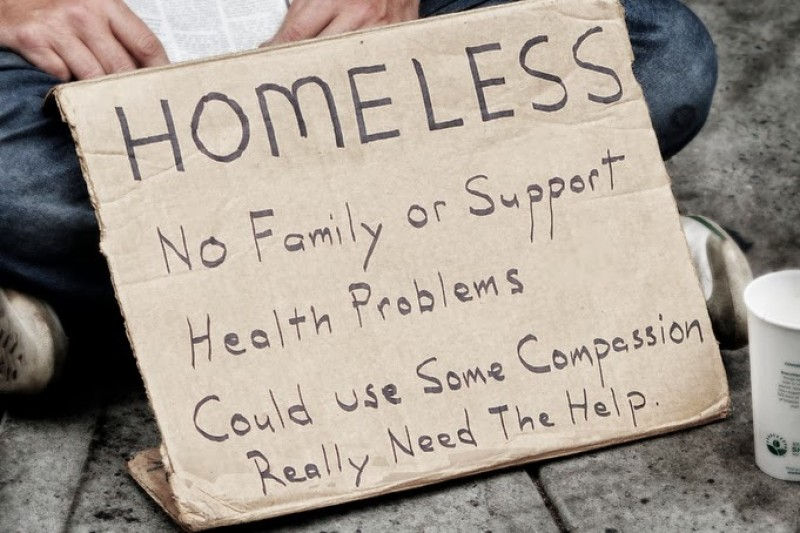
Aside from the immediate dangers of being homeless, it has a strong impact on the mental health of those affected. Some of the challenges faced include vulnerability, trauma, loneliness, and isolation. Vulnerability and trauma results from exposure to constant instability when faced with having to find their next meal or place to sleep. This may cause ongoing heightened fear and vulnerability. Loneliness and isolation may also result in a lack of dependable and stable home environment. This in turn also results in a lack of support system. This can cause someone to feel like they consistently don’t belong anywhere while reinforcing notions that they must be self-reliant at all times.
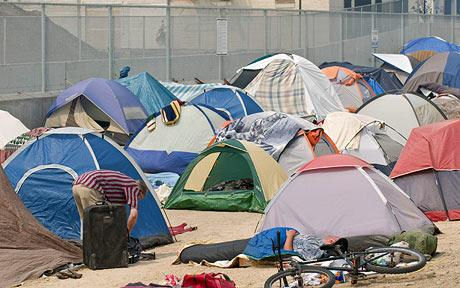
Constant Survival Mode:
Because homelessness is multifactorial, mitigating its effects will require a dynamic approach. It’s tough to think about anything else when you are homeless, because you are constantly in survival mode. Having basic needs met like mental/physical health support, safe housing, and nutritious food is paramount. From there, education, employment, and community support can help someone reach a deeper level of stability so that they can survive and thrive. It is our collective responsibility to create a society that ensures all youth have a safe and stable environment.